
Stereoscopic Mirror
A stereoscopic mirror, also known as a beamsplitter mirror, provides superior optical quality for optical engineering and scientific applications. Unlike a standard two way mirror, our stereoscopic mirrors provides a tint-free, undistorted image. The calculator below provides immediate pricing and ordering.
Price Calculator
|
|
Stereoscopic Mirror
A stereoscopic mirror, also known as a beamsplitter mirror, provides superior optical quality for optical engineering and scientific applications. Unlike a standard two way mirror, our stereoscopic mirrors provides a tint-free, undistorted image. The calculator below provides immediate pricing and ordering.
Applications
- 3D Filmmaking
- 3D Photography
- 3D Displays
- Holographic Displays
- Pepper’s Ghost Effect
- Barcode Scanners
Product Photos
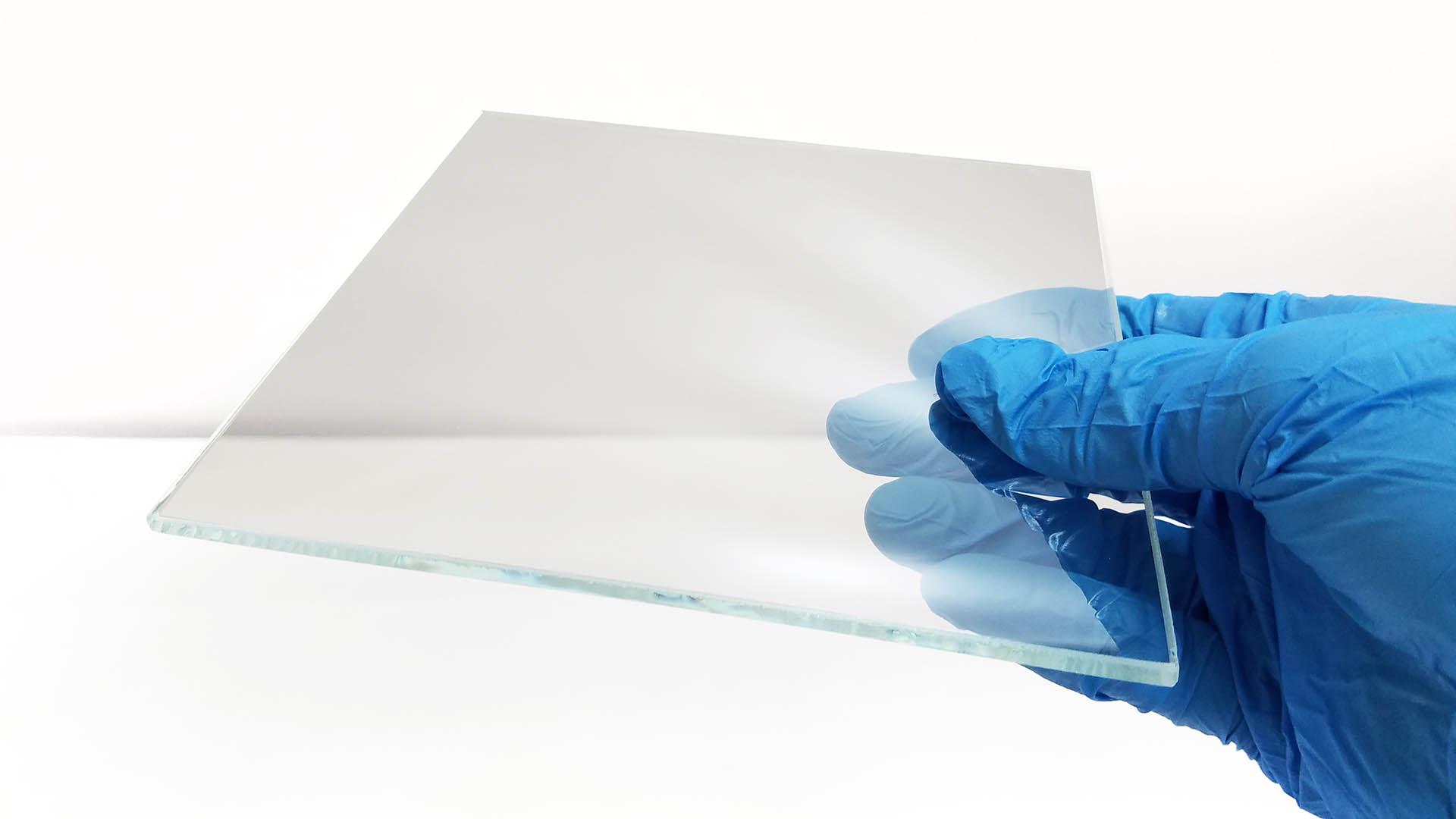
Stereoscopic Mirror
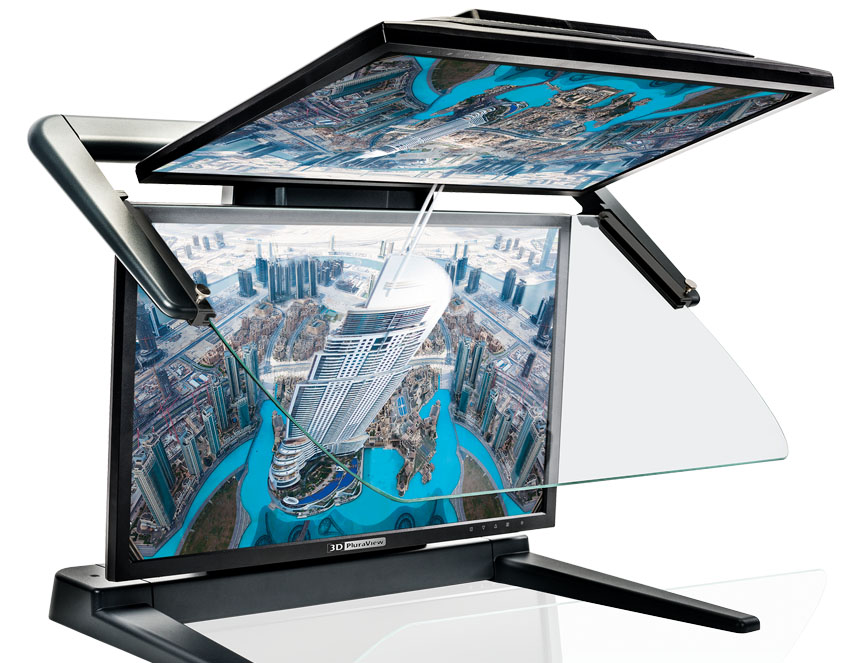
3D Display
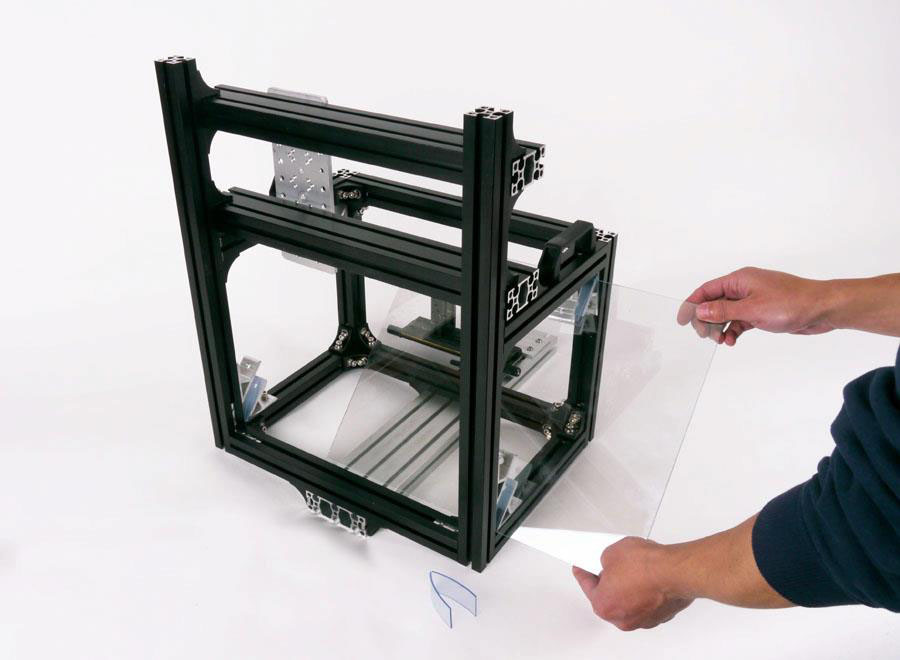
3D Camera Rig
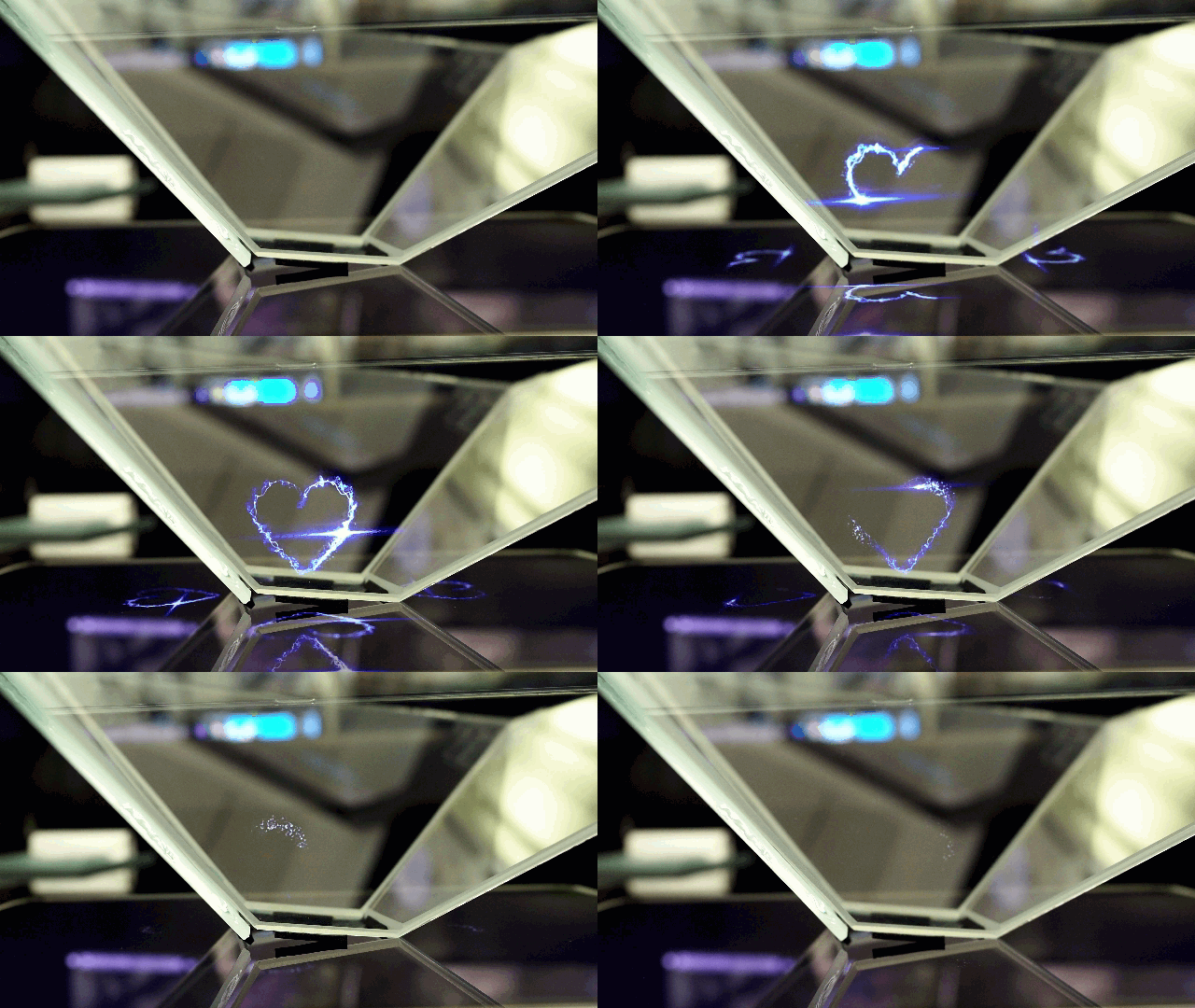
Heart Hologram
Product Demo
Frequently Asked Questions
Does your glass work with 3D displays or camera rigs?
Our beamsplitter glass is ideal for both 3d display and camera rigs.
Do you ship outside of the United States?
Yes, we ship worldwide via FedEx and shipping is automatically calculated when you check out. Duties and taxes are billed separately on delivery.
What's the largest size you can make?
We can make up to 49″x70″ in both 3mm and 4mm thicknesses.
How likely is it that my glass will break in shipping?
We carefully package and fully insure all of our shipments. If it should arrive broken, please send us pictures of the box and broken glass and we will ship you a replacement.
Are the mirrors sharp?
We carefully sand the edges and corners with a wet belt sander to take off the sharp edge.
How should I clean them?
To maximum the life of the mirror coating, we recommend isopropyl alcohol 50% solution (lens cleaner). The best wipes for cleaning are Kimwipes, which is a specialty item you may not find in local stores.
How accurate is your cutting?
We typically cut to +/- 1/16″ (1.5mm) unless added accuracy is requested.
About Us
Our factory is located in Toledo, Ohio and we have been manufacturing beamsplitter mirror products for twenty years. We offer superior optical grade quality, expert packaging, fast customer support, and ship your order efficiently and quickly, usually within one day.